Save 30-60% on natural products
ANEMIA
Anemia and How to Fix the Condition
2/4/20267 min read
Iron Deficiency: How to Improve Low Iron Levels
Anemia is one of the common issues I often observe in the blood work of individuals undergoing my review for their Cancer Protocol. Many people underestimate its prevalence, and it is often linked to the declining nutritional quality of our food and diets. It’s a common misconception that simply taking an iron supplement is the solution. We also need adequate copper to effectively utilize the iron we consume.
Proper copper intake is essential for normal iron metabolism and the production and function of red blood cells. When copper levels are low, it can lead to anemia that resembles iron deficiency, and excess iron can accumulate in the livers of those who lack sufficient copper.
Iron, Copper, and Zinc are the Essential TRIO, and understanding their interdependence is essential for our health.
WHY ARE THESE THREE MINERALS ESSENTIAL?
Copper, iron, and zinc are essential trace nutrients because they cannot be made or synthesized in the body. They are needed throughout one’s lifetime, but only in small quantities. These essential nutrients must be obtained from food and drinking water, and occasionally from dietary supplements, and are necessary for the body to function normally. The three minerals are sometimes competitive when iron or zinc supplements are taken, that is, they can either inhibit or enhance each other’s absorption.
HOW MUCH COPPER, IRON, AND ZINC DO WE NEED DAILY?
Recommended Daily Intakes of copper are 1 mg/day for adults, 1.3 mg/day for pregnant and lactating women; for iron, 8 mg/day for men, 18 mg/day for women (27 mg/day in pregnancy); for zinc, 15 mg/day for men, 12 mg/day for women.
WHY DO WE NEED COPPER?
We need copper for blood vessel formation, a healthy heart, and for stabilizing the collagen, or connective tissue, which binds one part of the body to another. Copper is also needed for brain development, effective communication between nerve cells in the brain, and healthy bones and teeth.
WHY DO WE NEED ZINC?
We need zinc for many biological functions, and because it plays a crucial role in more than 300 enzymes (vital chemicals that speed up the rate of reaction between substances) in the human body. Among zinc’s roles are supporting growth and fertility, supporting a healthy immune system, and supporting healthy skin, hair, nails, and eyes.
WHY DO WE NEED IRON?
Iron is an integral part of many proteins and enzymes that maintain good health, such as oxygen transport and the regulation of cell growth. Almost two-thirds of iron in the body is found in hemoglobin, the protein in red blood cells that carries oxygen to tissues.
HOW DO THESE IMBALANCES BETWEEN THIS ESSENTIAL TRIO OCCUR?
Taking mega-doses (more than 15 to 30 times the Recommended Daily Allowance) of zinc supplements to fight colds and boost the immune system has become very popular. To combat iron deficiency, the most common nutritional deficiency worldwide, supplements of iron are often taken.
HOW DO COPPER AND IRON INTERACT?
Iron supplements may inhibit intestinal zinc and copper absorption because these elements may compete for binding to a transporter molecule located in the small intestine. Copper-dependent enzymes are needed to transport iron in the body, and a lack of copper causes secondary iron deficiency.
It is most likely a combination of two properties of zinc.
1) Zinc causes an elevation of metallothioneins (proteins that bind zinc as well as copper very avidly in the cell). High levels of these copper binders make copper unavailable where it is needed in the body.
2) Copper and zinc compete for absorption from the intestine into the bloodstream, and both are absorbed by the same processes. In fact, zinc is so effective in reducing copper that it is the standard treatment for Wilson Disease, a rare genetic disorder in which copper accumulates in the liver, brain, and cornea.
WHAT ADVERSE EFFECTS RESULT FROM COPPER DEFICIENCY?
Patients suffering from severe copper deficiency after excessive zinc supplementation developed irreversible neurological symptoms (such as gait abnormalities and painful tingling and numbness). Copper deficiency can also be a risk factor for osteoporosis, rheumatoid arthritis, and cardiovascular disease. Even mild copper deficiency can result in a higher rate of colds and flu, loss of skin tone, reproductive problems, and fatigue.
Striking a Balance Among Essential Minerals: Copper, Zinc, and Iron
When it comes to nutrients, remember that more is not always better. To achieve optimal health with the essential trio of copper, zinc, and iron, it’s important to follow the guidelines set by the U.S. National Academy of Sciences. Specifically, for anyone taking an iron supplement of 30 mg or more per day—under the supervision of a physician—it’s recommended to balance it with about 15 mg of zinc and 2 mg of copper. Additionally, pregnant women should consult their physicians to ensure their prenatal supplements contain the appropriate balance of these minerals.
Lets Focus on Iron Deficiency
Iron deficiency is a global health issue that affects individuals across various economic backgrounds. According to the World Health Organization, approximately 30% of the world’s population has iron levels considered below normal. This figure may seem high, but it’s essential to recognize that healthy adults only store about 3-4 grams of iron in their bodies. Just a small loss of this essential mineral can lead to a deficiency.
In many developing countries, iron deficiency often results from factors such as harmful organisms, acquired immunodeficiency, and other health issues. Conversely, in more developed regions with access to clean water and better working conditions, iron deficiency is more commonly linked to diet, pregnancy, or blood loss. Thus, iron deficiency can manifest as both a standalone condition and a symptom of underlying health problems.
To address nutritional deficiencies, such as low iron levels, a medical professional must first identify the deficiency and determine its root causes. Typically, consuming more of the missing nutrient—whether through iron-rich foods or iron supplements—can resolve the deficiency. However, managing iron levels is complex. While insufficient iron is a concern, excessive iron can also be harmful, as it may cause oxidative damage. Therefore, maintaining iron homeostasis is crucial for good health.
Iron Distribution in the Body
Iron is tightly regulated and stored in small amounts within the body. It plays a vital role in oxygen transport through various processes. Under normal conditions, iron is tightly bound to proteins, preventing it from reacting with other molecules and generating free radicals.
Approximately 70% of the body’s iron is stored in red blood cells as part of hemoglobin. Myoglobin and certain enzymes account for another 15%. The remaining 15% is found in proteins known as ferritin and transferrin, which store and transport iron.
Anemia vs. Iron Deficiency Anemia
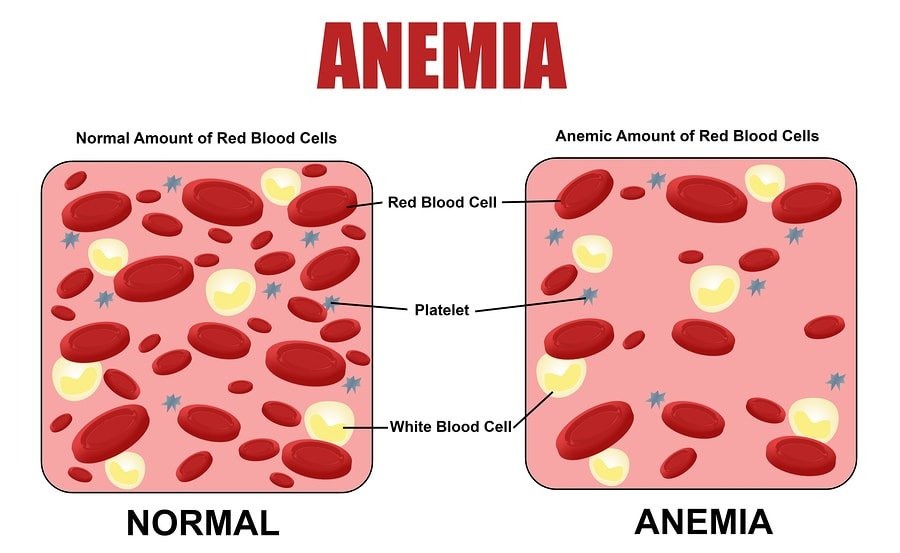
Anemia is a broad term that refers to a deficiency in red blood cells (the red blood cell count) or hemoglobin within those cells. Several types of anemia exist, with iron deficiency anemia being the most common. Often, iron deficiency anemia is simply referred to as “anemia” or abbreviated to IDA. True iron deficiency anemia is relatively rare in developed countries.
Understanding Iron Deficiency
Iron deficiency arises from an imbalance of iron in the body. This can happen if you’re not ingesting enough iron or if you’re losing too much through sweat, urine, stool, or blood loss. Insufficient iron intake or low iron stores can inhibit the production of healthy blood cells, thereby reducing the amount of oxygen circulating throughout your tissues.
Medical tests are necessary to confirm iron deficiency. A normal hematocrit reading, which measures the percentage of red blood cells in your blood, ranges from 35-50%. Your ferritin levels may also be assessed to determine how much iron you have in reserve for producing new red blood cells. A ferritin level below 20 mcg/mL typically indicates an iron deficiency.
Iron Deficiency Anemia
Iron deficiency anemia is a more severe form of iron deficiency that generally results from prolonged low iron status. To diagnose this condition, clinicians use blood tests to confirm a more severe deficiency that classifies you as anemic. A complete blood count (CBC) may be ordered to determine the concentration of your red blood cells. If your hematocrit reading is exceptionally low, your physician may diagnose you with iron deficiency anemia. A very low ferritin level, specifically 12 mcg/mL or lower, also indicates iron deficiency anemia.
Causes of Low Iron Levels
A wide range of factors can influence iron status, but in developed countries, the primary causes are malnutrition and iron depletion.
Causes of Iron Deficiency
Heavy menstruation
Organ and tissue damage from stomach ulcers or colon conditions
Low iron intake from the diet
Consuming foods that block iron absorption
Inadequate intake of vitamin B12 or folate
Pregnancy leads to a significantly increased need and production of red blood cells
Symptoms of Iron Deficiency
Iron deficiency may go unnoticed until a medical professional conducts a blood test and finds that your hematocrit levels are lower than ideal. In some cases, individuals may experience classic symptoms of iron deficiency anemia, which indicate that your body is not receiving enough oxygen to support normal cellular functions and metabolism.
Common Symptoms of Iron Deficiency:
- Shortness of breath
- Cold sensations or low skin temperature in the extremities
- Headaches
- Fatigue or lethargy
- Dizziness or lightheadedness
- Pale skin and face (pallor)
- Hair loss
Populations at Risk for Iron Deficiency
Certain groups are more likely to develop iron deficiency due to various factors. Women of childbearing age often lose more iron than other populations. Pregnant women require additional iron to meet the increased oxygen demands of both mother and baby. Individuals with internal bleeding in the stomach or intestines are also at a higher risk of developing iron deficiency, as are those who have undergone gastric bypass surgery, which affects the body’s ability to absorb iron.
Vegans and vegetarians may develop iron deficiencies if they avoid iron-rich foods such as grains, beans, and leafy greens. However, most vegetarians generally consume more iron and other essential nutrients than non-vegetarians.
Foods and Nutrients That Decrease Iron Absorption
Even with a diet rich in iron, low iron levels may still occur because certain foods can affect iron bioavailability. Some foods and nutrients enhance iron absorption, particularly those rich in vitamin C, such as bell peppers and citrus fruits. Conversely, other foods and nutrients can bind to iron during digestion, preventing your intestines from absorbing it. Below is a list of foods and nutrients that inhibit iron absorption:
Iron Absorption Inhibitors:
- Tea
- Herbal teas made from chamomile and peppermint
- Coffee
- Eggs and egg protein
- Milk and dairy products
- Chocolate and cocoa
- Grapes and wine
- Almonds
- Barley
- Basil
- Oregano
- Parsley
- Calcium
- Copper
- Magnesium
- Zinc
You don’t need to eliminate these foods from your diet entirely. Instead, maintain a two-hour interval between consuming iron-rich meals and these inhibitors to ensure optimal iron absorption.
How to Improve Iron Levels
Maintaining normal iron levels requires a careful balance. It’s essential to consume a diet rich in top plant-based sources of iron to provide your body with the necessary nutrients. Notably, the absorption of non-heme (plant-based) iron is more easily regulated by the intestines. This means it can increase absorption when you are deficient or limit absorption when your hemoglobin levels are normal and your iron stores are adequate.